UN Climate Change COP29 New Financial Deal

12/9/2024

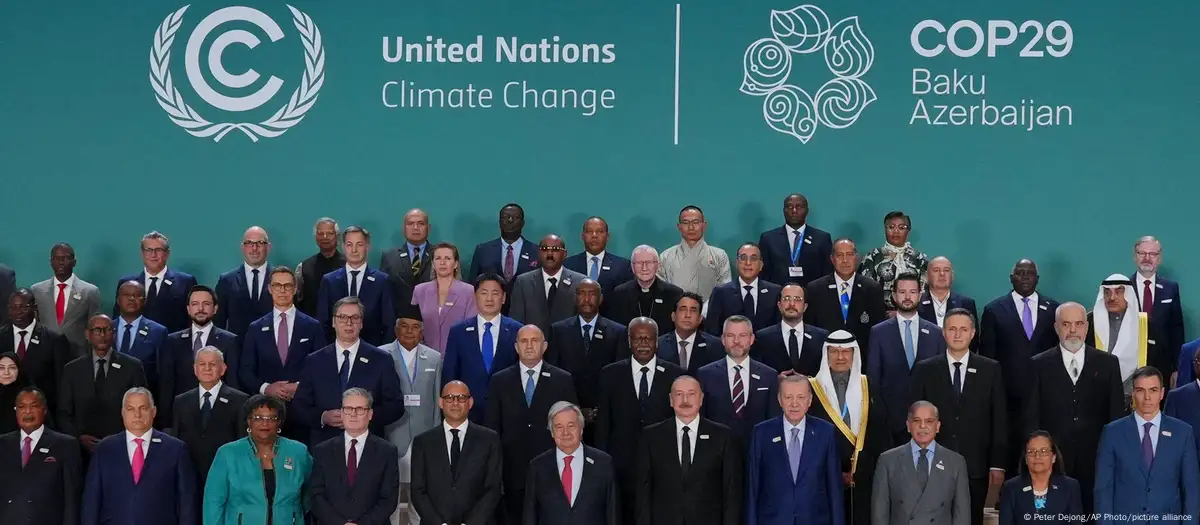
This year at the UN Climate Change COP29, global representatives took significant steps agreeing on new levels of finance for mitigation and adaptation arrangements in developing countries. Building upon prior commitments, COP29 negotiators established a new goal of $300 billion per year in climate financing by 2035. This is a $200 billion increase than previous years $100 billion target. This goal aims to influence both public and private thematic investing to reach a total of $1.3 trillion per year by 2035 for climate resilience. This plan intents to connect the economic potential of the clean energy transition. Both addressing the need to protect vulnerable populations and economies from the exacerbating effects of climate change. The new target aims to influence the private and public The larger issue is that there is not a valid scientific or economic basis for determining how much funding should be committed to addressing climate change. This has made a significant gap between what developing countries are demanding and what developed countries are willing to offer.

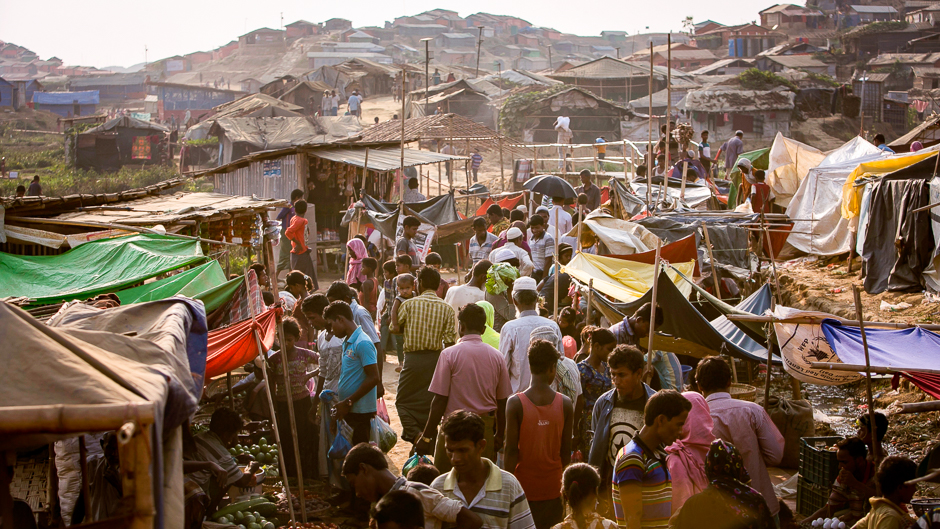
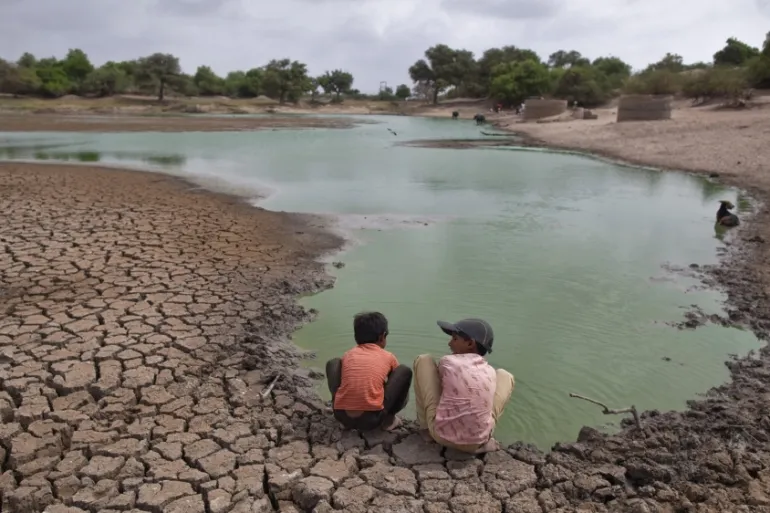
Climate change is felt the hardest in poorer communities, and especially in less developed countries, making the need for equitable climate finance all the more critical. Climate change as a “threat multiplier,” worsening pre-existing inequalities and vulnerabilities, making it difficult for communities already facing systemic issues such as poverty, food insecurity, and limited access to resources to recover from intense extreme weather events like heatwaves, droughts, floods, and hurricanes. This truth, however, highlights the unequal distribution of projected deaths and economic loss due to climate change in developing countries.
first image

The Question?

What could be a justifiably new climate finance target that are economically viable and who should pay to meet the new climate finance target?

first image

New U.S. Administration

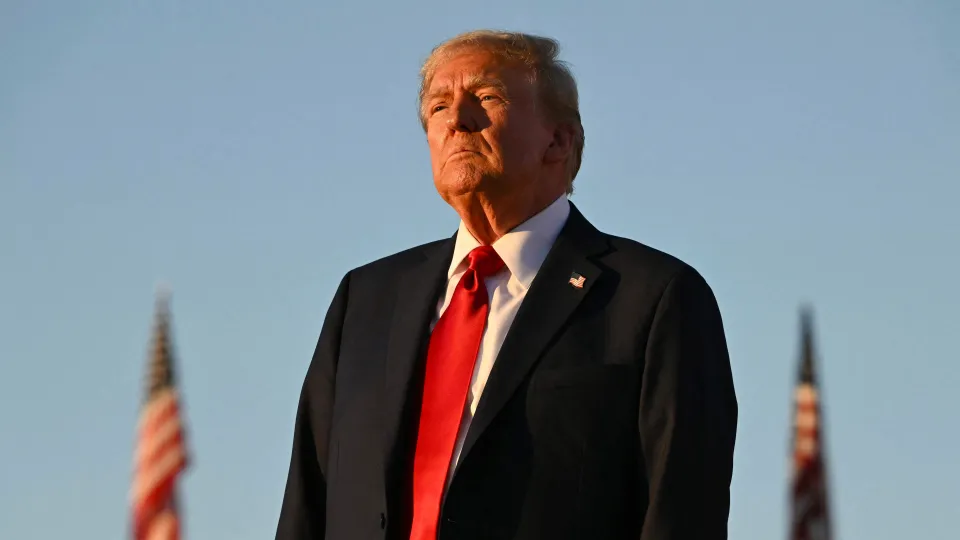
After President Trump was reelected, the political environment in the United States became a powerful barrier to climate action. Trump’s first term included an attack on federal climate policies and environmental protections (DeConcini, Rennicks, & Hyman, 2024). While many of these attempts were blocked by the judiciary, a second term could open the door to severe rollbacks of climate and environmental regulations. Expected changes range from significant federal funding cuts to major climate departments, including the EPA and DOI. Trump also has alluded to the hiring of climate directors who maintain oppositional stances and has a much greater prioritization of fossil fuels over clean energy. The Trump affiliated doctrine “Project 2025” pushes a reallocation of the Inflation Reduction Act funding pipeline for promoting high carbon projects, and reduced interest to environmental justice. These measures would strip U.S. climate mitigation pledges including the possible withdrawal from the Paris Agreement. The damage, to both domestic and international climate action, is catastrophic, by far outweighing any progress the world has made at meeting global climate targets. As a result, there is a strong call for expanded private sector activism to occupy this void of inaction at the federal level

first image

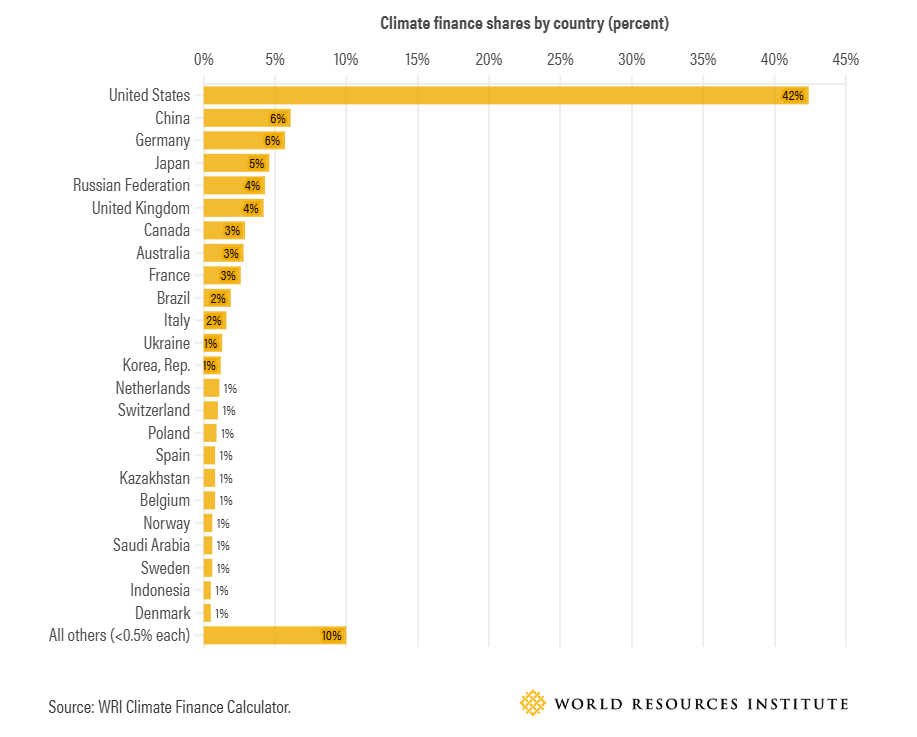
The WRI Climate Finance Calculator proposal considered total emissions over time as well as current capabilities, and they believe that it is a fairer system for distributing blame for climate change. The U.S. has a big financial obligation because its historically high emissions and strong economy. Other major emitters, as well as wealthy countries, must also quickly increase their contributions. They caution that focusing on a single measure can produce narrow or misleading results. In calculating each country’s fair share, the calculator must assume population size, vulnerability and the ability of countries to mobilize domestic resources.

first image

Why We Care?

The COP29 climate finance agreements-there is the hope of a vision for us to fight back against climate change. We’re now investing $300 billion a year by the year 2035 to protect the world’s most vulnerable populations. This agreement recognizes that climate change is not merely an environmental crisis; it is a crisis of people, of our shared responsibility to one another and to the only planet we have. Through regular interactions, they learn to trust each other, participate in dramatic efforts to work around political and economic barriers that block meaningful action. This moment shows that we can meet these challenges by moving beyond our immediate interests and national borders. It will cost more than money, it will cost courage, will and justice to address climate change. We are also creating a new story of global cooperation and solidarity, recognizing that the health of our planet depends on the health of the most vulnerable people who inhabit it. Not just avoiding disaster but creating a world with sustainable development and economic opportunity at a sustainable level. Each dollar committed and partnership forged is a seed of hope for the next generation, reinforcing the fact that when we come together with empathy, humanity can address its most overwhelming problem.